
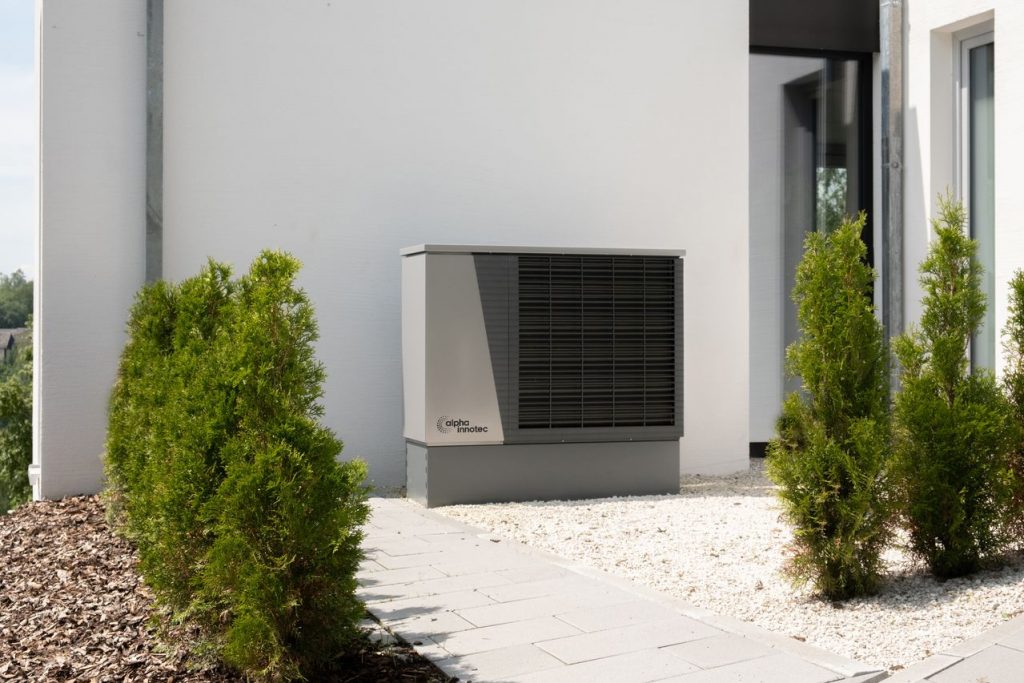
- Adjust thermostat settings based on occupancy, sleeping schedules, and outdoor conditions to avoid unnecessary heating or cooling.
- Replace or clean air filters regularly and keep vents, returns, and outdoor equipment clear of obstructions.
- Seal air leaks, improve insulation, and inspect ductwork to prevent conditioned air from escaping.
- Use programmable or smart controls to automate temperature changes and reduce unnecessary system runtime.
- Consider equipment replacement when an older system has frequent breakdowns, rising energy costs, or difficulty maintaining consistent temperatures.
- Adopt simple energy-saving habits, such as using curtains strategically, limiting indoor heat sources, and taking advantage of mild weather.
- Prioritize improvements based on cost, system condition, and potential energy savings rather than making expensive changes all at once.
Heating and cooling account for a significant share of household energy use, especially when an HVAC system operates for long periods throughout the year. The good news is that lowering energy consumption does not always require replacing the entire system. Simple changes to thermostat settings, maintenance routines, airflow, insulation, and daily habits can make heating and cooling more efficient. More substantial improvements, such as upgrading aging equipment or installing smart controls, can also provide long-term savings. By understanding where energy is being lost and taking practical steps to improve system performance, homeowners can create a more comfortable indoor environment while keeping monthly utility costs under better control.
Why Does Your HVAC System Use So Much Energy?
An HVAC system can consume substantial energy because it must repeatedly heat or cool indoor air while overcoming heat gain, heat loss, humidity, and air leakage. The amount of energy required depends on the home’s size, insulation, outdoor temperature, equipment efficiency, thermostat settings, and how well air moves through the ductwork. Older equipment may also require more electricity or fuel to provide the same level of comfort as newer systems. Understanding these factors is the first step toward reducing unnecessary consumption. Instead of relying on one major change, homeowners can combine several smaller improvements to reduce the workload placed on their heating and cooling equipment.
Several common factors can increase HVAC energy consumption:
- Extreme outdoor temperatures: Very hot or cold weather forces the equipment to run longer to maintain the desired indoor temperature.
- Poor insulation: Inadequate insulation allows conditioned air to escape and outdoor temperatures to affect the interior more quickly.
- Air leaks: Gaps around windows, doors, ducts, and other openings can make it harder to maintain a consistent temperature.
- Dirty components: Clogged filters and dirty coils can restrict airflow and reduce equipment efficiency.
- Incorrect thermostat settings: Maintaining unnecessarily low or high temperatures can increase operating time.
- Aging equipment: Older systems may use more energy than modern high-efficiency models.
- Poor ductwork: Leaky or poorly insulated ducts can waste conditioned air before it reaches the rooms that need it.
Identifying the biggest source of wasted energy allows homeowners to prioritize improvements instead of spending money on changes that have little practical effect.
How Can Thermostat Settings Reduce Energy Consumption?
The thermostat controls when an HVAC system operates and how much heating or cooling it provides. Even an efficient system can consume unnecessary energy when the thermostat is set to maintain an extreme indoor temperature throughout the day. Adjusting the temperature according to occupancy, outdoor conditions, and sleeping schedules can reduce operating time without requiring changes to the HVAC equipment itself. A programmable or smart thermostat can make these adjustments automatically, helping homeowners avoid maintaining an empty home at the same temperature as an occupied one. Small temperature adjustments made consistently over weeks and months can contribute to meaningful reductions in energy use.
Consider these thermostat strategies:
- Adjust temperatures when nobody is home: There is little benefit in maintaining maximum comfort in an empty house.
- Use a schedule: Program temperature changes around work, school, sleeping, and waking hours.
- Avoid extreme settings: Setting the thermostat dramatically higher or lower does not necessarily make the system reach the desired temperature faster.
- Use smart controls: Smart thermostats can automate schedules and, depending on the model, learn household routines.
- Check thermostat placement: Keep the thermostat away from direct sunlight, drafts, cooking appliances, and other heat sources that could affect its readings.
For homes with multiple zones, independent temperature controls can provide another opportunity for savings. Rooms that are rarely used may not need the same heating or cooling level as frequently occupied areas. However, homeowners should follow the HVAC manufacturer’s recommendations when adjusting temperatures or closing vents.
Can Regular Maintenance Help Lower HVAC Energy Use?
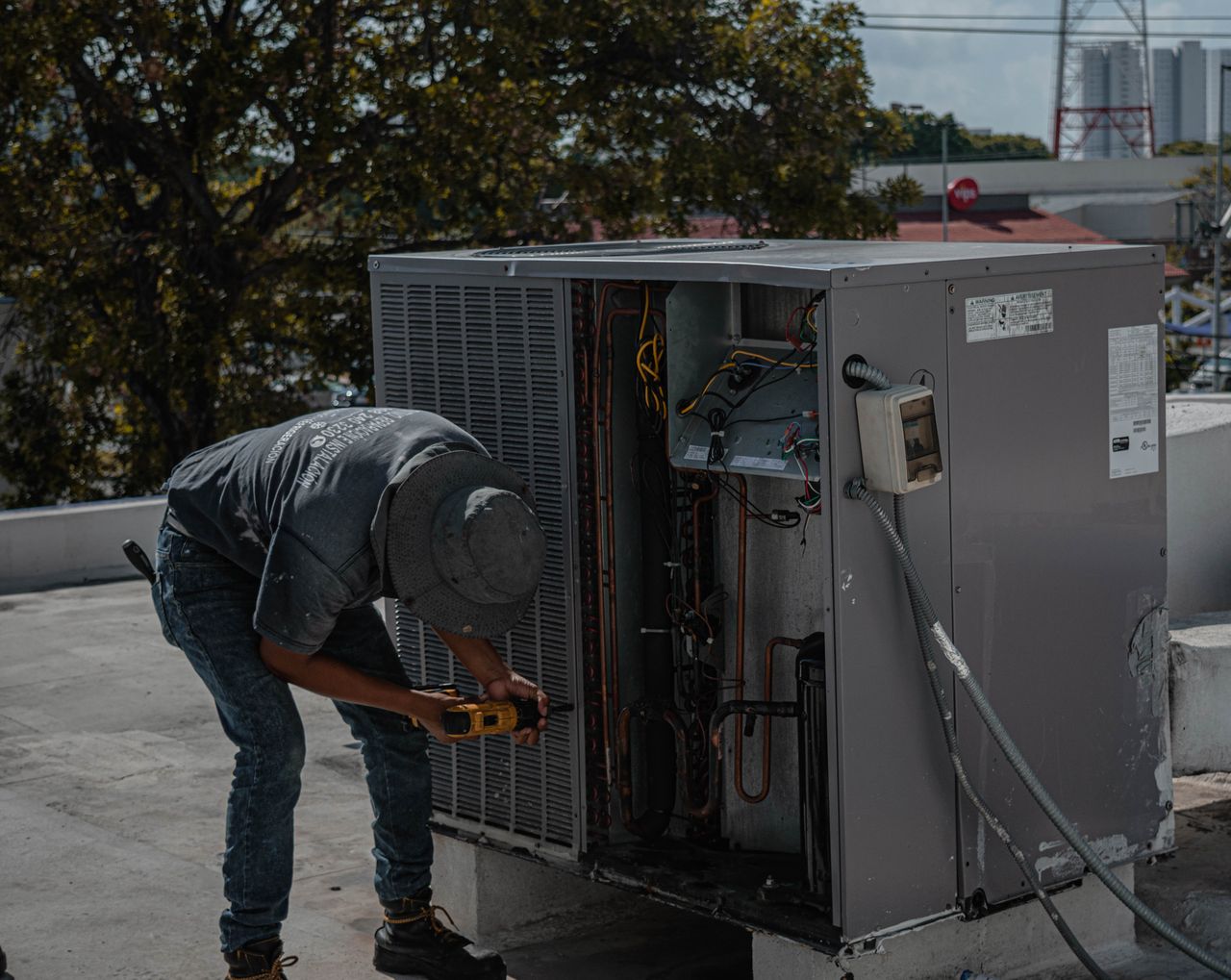
Regular maintenance is one of the simplest ways to help an HVAC system operate efficiently. Equipment that is neglected may gradually lose performance as filters become clogged, coils collect dirt, electrical connections loosen, and moving components experience wear. When airflow becomes restricted or components cannot operate correctly, the system may need to run longer to provide the same indoor comfort. Preventive maintenance can identify these problems before they become expensive repairs or contribute to excessive energy consumption. A consistent maintenance routine also helps homeowners understand how their equipment is performing and when professional attention may be necessary.
Homeowners can incorporate several maintenance tasks into their routine:
- Replace or clean air filters: A dirty filter can restrict airflow and force the system to work harder. Follow the equipment manufacturer’s recommended replacement schedule.
- Keep outdoor units clear: Remove leaves, grass, branches, and other debris from around outdoor equipment so air can circulate freely.
- Keep vents unobstructed: Furniture, curtains, and other objects should not block supply and return vents.
- Inspect accessible components: Look for unusual noises, odors, visible damage, or signs of moisture.
- Schedule professional inspections: A qualified technician can inspect electrical components, refrigerant levels, coils, motors, and other parts that homeowners should not service themselves.
Maintenance requirements vary depending on the type of HVAC equipment. Some systems need seasonal servicing before periods of heavy use, while others may have different maintenance intervals. Keeping records of inspections and repairs can also help identify recurring problems and determine whether continued repairs make financial sense.
What Can You Do to Improve Airflow and Reduce Waste?
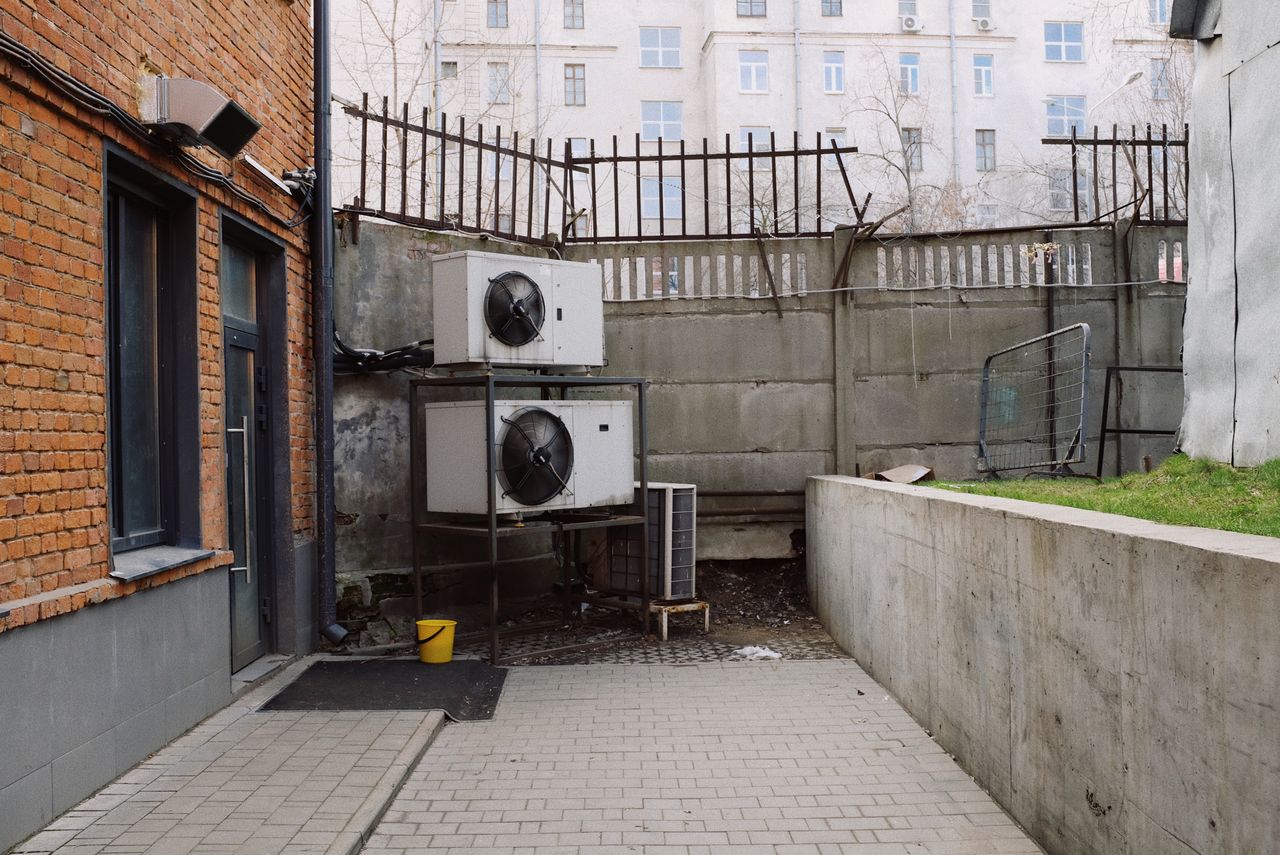
Efficient heating and cooling depends on more than the central HVAC equipment. Conditioned air must travel through the home effectively, and problems with ducts, vents, insulation, or air sealing can increase energy consumption. If cooled or heated air escapes before reaching its intended destination, the system may continue operating without producing the expected level of comfort. Improving airflow and reducing unwanted air exchange can therefore help the equipment work more effectively. These improvements are particularly useful in older homes where ductwork and insulation may have deteriorated over time or were not originally designed for modern efficiency standards.
Start by checking the areas where conditioned air may be lost:
Seal Leaky Ductwork
Ducts that pass through attics, crawl spaces, garages, or other unconditioned areas can lose energy if they are poorly sealed or insulated. Professional duct inspection can identify leaks and areas where insulation needs improvement.
Improve Insulation
Adequate insulation helps slow the transfer of heat between the interior and exterior. Attics, walls, floors, and other areas may require attention depending on the home’s construction and climate.
Seal Air Leaks Around the Home
Small gaps around windows, doors, plumbing penetrations, and other openings can allow conditioned air to escape. Weatherstripping and appropriate caulking can address many minor leaks.
Keep Air Pathways Clear
Return-air vents are particularly important because the HVAC system needs a reliable pathway for air to circulate. Blocked returns can interfere with airflow and reduce comfort.
Consider Professional Airflow Testing
If some rooms remain noticeably hotter or colder than others, the problem may involve duct design, airflow balance, insulation, or equipment sizing. A professional assessment can help determine the underlying cause rather than simply increasing system runtime.
Improving the building envelope and distribution system can sometimes provide benefits without replacing the central equipment.
When Should You Consider Replacing Older HVAC Equipment?
Not every inefficient HVAC system needs immediate replacement. However, equipment that is very old, requires frequent repairs, struggles to maintain comfortable temperatures, or produces unusually high operating costs may warrant closer evaluation. Modern equipment can offer improved efficiency, but replacement involves a significant upfront investment. Homeowners should therefore consider the system’s age, repair history, operating performance, available efficiency improvements, and expected remaining service life before making a decision. In some cases, targeted HVAC system upgrades can improve efficiency without requiring a complete replacement, while severely outdated equipment may make replacement more practical.
Look for several warning signs that indicate it may be time to evaluate the system:
- Frequent breakdowns: Repeated repair costs can add up, particularly when several major components are aging simultaneously.
- Uneven temperatures: Persistent hot or cold spots may indicate equipment, ductwork, insulation, or airflow problems.
- Rising energy bills: A noticeable increase in heating or cooling costs without a corresponding change in usage can indicate declining performance.
- Excessive operating time: Equipment that runs almost continuously during normal weather may not be operating efficiently or may be improperly sized.
- Increasing repair costs: When a major repair approaches a substantial portion of replacement cost, comparing both options may be worthwhile.
- Outdated technology: Older systems may lack modern controls and efficiency features available in newer equipment.
When comparing replacement options, homeowners should look beyond the purchase price. Equipment efficiency, installation quality, expected maintenance, warranty coverage, operating costs, and compatibility with the home all matter. A properly sized system is particularly important because a larger unit is not automatically more efficient.
How Can Smart HVAC Technology Help Save Energy?
Modern HVAC controls can give homeowners greater visibility and control over how their heating and cooling equipment operates. Smart thermostats, zoning controls, occupancy-based settings, and remote monitoring can help reduce unnecessary runtime while maintaining comfortable conditions. These technologies are particularly useful for households with changing schedules because they can automate adjustments that would otherwise be forgotten. However, technology alone does not guarantee lower energy consumption. The system still needs appropriate sizing, installation, maintenance, and settings. Smart controls are most effective when they are used as part of a broader strategy for managing household energy use.
Depending on the HVAC system and household needs, useful technologies may include:
- Smart thermostats: These allow scheduling, remote adjustments, and, with compatible models, automated temperature management.
- Zoned temperature control: Different areas can be managed separately, potentially reducing conditioning in rooms that are rarely occupied.
- Occupancy sensors: Some systems can adjust settings based on whether people are present.
- Remote monitoring: Homeowners can check temperatures and system status from a connected device.
- Variable-speed equipment: Compatible systems can adjust output rather than operating only at full capacity, which may improve comfort and efficiency.
- Heat pump technology: Depending on climate and installation conditions, heat pumps can provide both heating and cooling with efficient operation.
Before purchasing connected equipment, check compatibility with the existing HVAC system. A professional can determine whether a particular thermostat, zoning system, or control is appropriate for the equipment.
What Everyday Habits Can Make a Difference?
Energy efficiency is influenced by everyday household behavior as much as by equipment specifications. Simple habits can reduce the amount of work an HVAC system needs to perform. Using curtains strategically, minimizing unnecessary heat gain, keeping doors and windows closed while heating or cooling, and avoiding activities that introduce excessive indoor heat can all contribute to better performance. These measures do not require major investments and can complement equipment improvements. The goal is not to avoid using heating or cooling altogether, but to prevent the system from working harder than necessary to maintain a comfortable indoor environment.
Try incorporating these practical habits:
- Use blinds and curtains strategically: During hot weather, reducing direct sunlight can limit indoor heat gain.
- Take advantage of mild weather: When outdoor conditions are comfortable, natural ventilation may reduce the need for mechanical cooling.
- Keep exterior doors closed: Frequent opening can allow conditioned air to escape.
- Use kitchen and bathroom exhaust fans appropriately: Exhaust fans can remove heat and humidity, although they should not be left running unnecessarily.
- Avoid adding unnecessary indoor heat: Efficient lighting and appliances can reduce the amount of heat released into living spaces.
- Dress appropriately for the season: Comfortable clothing can allow a slightly less aggressive thermostat setting.
- Use ceiling fans where appropriate: Fans can improve perceived comfort by moving air, potentially allowing a higher cooling temperature setting.
The best approach depends on the climate, building design, and household routine. Combining several small changes is generally more practical than relying on one dramatic adjustment.
How Do You Know Which Improvements Are Worth the Cost?
Energy-saving improvements vary considerably in price, complexity, and potential benefit. Replacing an air filter or adjusting a thermostat schedule costs very little, while replacing an HVAC system or improving extensive ductwork can require a much larger investment. Homeowners should therefore prioritize improvements based on the condition of the existing system and the source of the greatest energy loss. A professional energy assessment or HVAC inspection can provide useful information before major spending decisions are made. Comparing upfront costs with expected operating savings can also help determine whether an improvement makes sense over the long term.
A practical priority list might look like this:
- Start with low-cost measures. Check filters, thermostat schedules, vents, and obvious air leaks before investing in expensive equipment.
- Address maintenance problems. Resolve airflow restrictions and mechanical issues that could be reducing system performance.
- Improve the building envelope. Consider insulation, weatherstripping, and air sealing where heat transfer or leakage is significant.
- Evaluate ductwork. Repair leaks and improve insulation when ducts are contributing to energy loss.
- Assess aging equipment. If the system is inefficient or approaching the end of its service life, compare repair and replacement options.
- Add appropriate controls. Smart thermostats and zoning can provide additional control when compatible with the system.
Taking a staged approach makes it easier to identify which changes are producing noticeable improvements rather than making several expensive changes at once.
What Is the Best Long-Term Approach to Lower HVAC Costs?
Reducing HVAC energy consumption is an ongoing process rather than a one-time project. A highly efficient system can still waste energy if it is poorly maintained, incorrectly controlled, or installed in a home with significant air leakage. Likewise, a modestly older system can sometimes perform efficiently when it receives proper maintenance and operates in a well-insulated, reasonably airtight home. The most effective long-term strategy is therefore to consider the entire heating and cooling environment rather than focusing exclusively on the equipment itself. Regular inspections, sensible thermostat settings, efficient habits, and timely improvements can work together to control operating costs.
Homeowners can maintain a long-term efficiency plan by:
- Reviewing energy bills periodically to identify unusual changes.
- Keeping a record of HVAC maintenance and repairs.
- Replacing filters according to manufacturer recommendations.
- Checking insulation and air sealing when comfort problems develop.
- Evaluating equipment performance as it ages.
- Considering modern controls when existing thermostats are outdated.
- Having major HVAC work performed by qualified professionals.
- Comparing lifecycle operating costs when evaluating replacement equipment.
The right strategy will differ from one home to another. Climate, building age, system type, household occupancy, and equipment condition all influence which improvements provide the greatest practical value.
Conclusion
Saving energy with an HVAC system does not necessarily mean making a major investment immediately. Better thermostat management, regular maintenance, clean filters, improved airflow, duct sealing, adequate insulation, and sensible household habits can all help reduce unnecessary energy use. When equipment becomes outdated or inefficient, homeowners can then evaluate newer systems and controls as part of a longer-term improvement plan. The key is to identify where energy is being wasted and address those issues in a sensible order. By combining equipment care with improvements to the home itself, homeowners can work toward lower heating and cooling costs while maintaining a comfortable indoor environment throughout the year.