
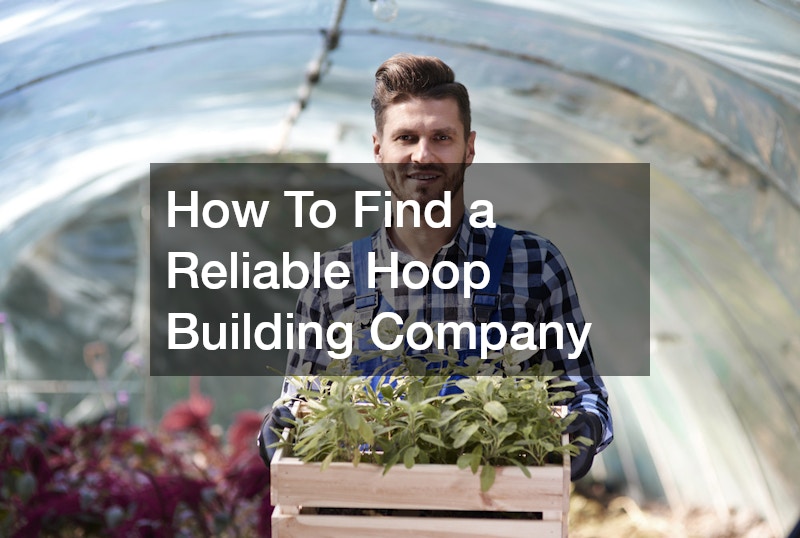
Investing in a fabric-covered hoop structure offers an economical, highly versatile solution for agricultural storage, livestock housing, industrial warehousing, and equipment maintenance. These engineered buildings provide clear-span interior footprints, natural ventilation, and rapid installation timelines compared to traditional wood or steel structures. However, because hoop structures must withstand heavy snow accumulation, high wind loads, and continuous UV exposure, partnering with a dependable, experienced hoop building company is essential to ensure long-term structural safety and operational reliability.
Understanding the Importance of Engineering Quality
Fabric hoop structures rely on a delicate balance between structural steel framing tension and durable architectural textiles. Choosing an inexperienced or unverified supplier can lead to frame buckling, fabric tearing, moisture leaks, or total structural collapse during severe winter storms.
A reputable manufacturer utilizes high-grade hot-dipped galvanized steel tubing that resists internal and external corrosion caused by high humidity, manure gases, or salt storage. Furthermore, professional manufacturers utilize heavy-duty, high-density polyethylene (HDPE) or polyvinyl chloride (PVC) woven fabrics featuring advanced UV-inhibiting coatings. Evaluating structural material standards upfront ensures your building stands up to harsh environmental exposure for decades.
Essential Criteria for Selecting a Company
Navigating supplier options requires assessing technical credentials, manufacturing standards, and installation support. When vetting candidates, focus on these critical operational indicators:
-
Site-Specific Engineering Certification: Ensure the manufacturer provides site-specific, stamped engineering drawings certified by a licensed professional engineer in your state. The design must account for local wind speeds, ground snow loads, and seismic conditions dictated by municipal building codes.
-
Fabric Quality and Warranty Terms: Inquire about fabric weight (typically measured in ounces per square yard) and thermal sealing methods. Reliable companies back their architectural fabrics with pro-rated warranties ranging from 15 to 20 years or more.
-
Galvanization Standards: Verify whether structural steel trusses are galvanized after fabrication. Post-fabrication hot-dip galvanizing seals weld joints and interior tube walls, providing superior rust protection compared to pre-galvanized or painted steel alternatives.
-
Anchoring and Foundation Versatility: A top-tier provider offers flexible foundation engineering tailored to your site—including poured concrete walls, helical screw anchors, pre-cast ecology blocks, or direct-burial posts.
Key Questions to Ask Before Ordering
Asking detailed questions before signing a purchase agreement prevents costly design adjustments and site delays during construction:
-
“Are your building packages fully customizable?” Quality suppliers tailor hoop building dimensions, side wall heights, end-wall entry door styles, and ventilation systems to fit your specific operational layout.
-
“Do you employ certified installation crews or offer technical oversight?” Understanding whether the company provides its own factory-trained erection crews, works with certified regional contractors, or offers on-site technical supervision guarantees proper fabric tensioning.
-
“How does the structure handle ventilation and climate control?” Proper airflow prevents interior condensation, mold growth, and respiratory issues in livestock. Look for customizable ridge vents, mesh end-wall panels, or automated side curtain options.
-
“What is the lead time from order confirmation to site delivery?” Securing clear manufacturing timelines allows you to coordinate site excavation, concrete pouring, and equipment scheduling efficiently.
Evaluating Proposals and Avoiding Red Flags
When comparing quotes from multiple suppliers, look past baseline pricing to evaluate total package value. Be cautious of companies that offer un-engineered “off-the-shelf” kits that fail to comply with regional snow load mandates.
Ensure every estimate explicitly details structural steel truss spacing, pipe wall thickness, fabric specs, hardware grade ratings, shipping fees, and site installation labor. Transparent proposals eliminate unexpected surprise expenses and ensure complete structural compliance from day one.
Long-Term Versatility and Asset Protection
Selecting a premier manufacturer yields significant long-term operational adaptability that conventional fixed buildings simply cannot match. High-quality fabric structures feature modular designs that allow property owners to cost-effectively extend building length, reconfigure end-wall access points, or relocate the entire structure as operational demands evolve over time. Furthermore, the translucent nature of premium fabric covers maximizes daylighting, drastically reducing daytime artificial lighting costs and operational utility expenses. Investing in superior structural framing and premium architectural covers safeguards your valuable machinery, grain harvests, or livestock investments against severe weather events, preserving long-term property value and boosting overall operational profitability.
Actionable Vetting Protocol
-
Request Certified Drawings: Confirm the manufacturer supplies stamped engineering plans tailored to your specific zip code and soil conditions.
-
Inspect Material Specifications: Verify post-fabrication hot-dip galvanized steel framing and heavy-weight, UV-treated architectural fabric.
-
Check Customer References: Contact previous agricultural or commercial clients to evaluate past project durability, installation efficiency, and warranty support.
-
Confirm Installation Services: Ensure trained installation crews or technical field advisors execute proper fabric tensioning during assembly.
Secure Long-Term Value and Operational ROI
Partnering with a reliable hoop building company ensures your capital investment yields maximum operational efficiency and structural durability. Properly engineered fabric structures deliver lower lighting costs through natural translucent illumination, reduce long-term maintenance requirements, and offer the flexibility to expand or relocate as your business grows. Taking a thorough, proactive approach to supplier selection guarantees a safe, high-performing facility that protects your livestock, equipment, or inventory for years to come.