
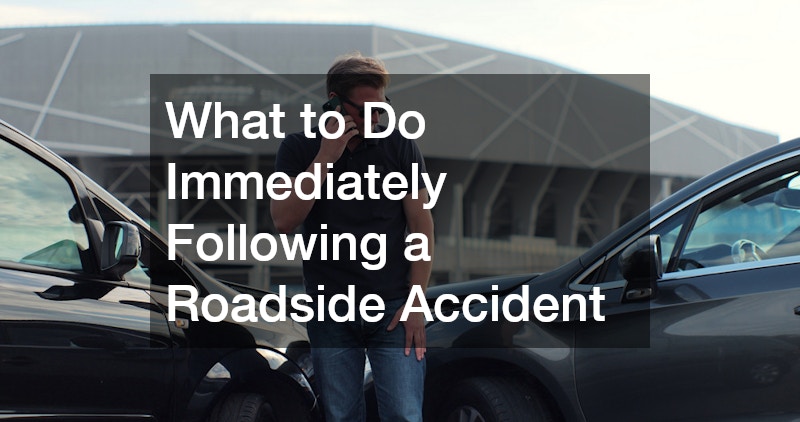
A sudden car crash is one of the most stressful things a person can experience. In a single second, a normal trip can turn into a scene of loud noises, breaking glass, and sudden fear. When the vehicles finally stop moving, your body is instantly flooded with adrenaline. This natural chemical response can make your heart race, make your hands shake, and make it very difficult to think clearly or choose your next steps wisely.
However, the choices you make in the first thirty minutes following a collision are incredibly important. The actions you take at the scene will decide your immediate physical safety. They will also protect your financial stability and your legal rights when it comes to dealing with insurance companies later on. Knowing exactly what to do ahead of time is the best way to fight off panic and keep yourself in total control. This comprehensive guide breaks down the essential post-accident checklist into clear, manageable steps so you can handle a roadside emergency safely.
Securing the Scene and Ensuring Immediate Physical Safety
The absolute first priority after any collision is to prevent the situation from getting worse. A broken-down or damaged car sitting in the middle of a busy highway is a massive hazard. Passing drivers who are distracted or speeding can easily crash into the initial accident scene, causing a dangerous chain-reaction collision that can result in much worse injuries than the original impact.
If your vehicle is still running and it is safe to move, carefully steer it out of the active traffic lanes and pull completely onto the shoulder of the road. Once you are safely out of the way, turn off the engine and immediately flip on your hazard lights. These blinking lights act as a vital warning to other motorists, letting them know to slow down and move over. If you have flares, reflective cones, or emergency triangles in your trunk, place them several yards behind your car to give oncoming traffic plenty of advance notice.
While you are securing the scene, you should also reach out for basic roadside help. If you have a motor club membership or a specialized insurance add-on, calling a professional roadside assistance service can get a service vehicle headed your way to assist with minor mechanical issues. This allows you to focus on your immediate physical surroundings and passengers while knowing that basic highway help is actively on the route to your exact location.
To ensure your physical environment stays as safe as possible while you wait for the authorities, practice these simple habits:
- Check yourself and your passengers thoroughly for any hidden injuries, paying close attention to neck pain or dizziness.
- Stay inside your vehicle with your seatbelt fastened if you are stuck on a high-speed interstate with no safe walking shoulder.
- Step out of the vehicle only if you can safely stand far behind the guardrail, away from the active flow of traffic.
Documenting the Crash Scene and Exchanging Information
Once the environment is completely stable and you are sure no one needs immediate medical attention from an ambulance, you must pivot your focus toward gathering information. Memory fades quickly after a stressful event, and people can easily change their stories later on when talking to their insurance adjusters. Gathering solid, objective evidence while you are physically at the scene is the best way to prove exactly what happened.
Approach the other driver calmly and politely to trade your vital statistics. You do not need to chat about who caused the crash or express anger; simply swap the essential facts. Take clear pictures of their driver’s license, their physical insurance card, and their vehicle registration plate. Make sure to write down their personal phone number and their current home address so you can hand that exact data over to your claims adjuster as soon as you get home.
Next, turn your smartphone into a digital evidence collection tool. Take wide-angle photos of the entire scene, showing the position of both cars relative to the lanes, traffic lights, and stop signs. Take close-up shots of the physical damage on all the vehicles involved, making sure to capture the license plates clearly. Don’t forget to photograph the surrounding environment, including skid marks on the asphalt, broken glass, nearby construction zones, weather conditions, or blocked traffic signs that might have contributed to the collision.
Keep this precise checklist in mind when exchanging data and collecting visual proof at the scene:
- Exchange the full name, insurance policy number, and contact info of the other driver.
- Capture the year, make, model, and color of every vehicle involved in the incident.
- Look around for any independent bystanders or witnesses, and ask politely for their names and phone numbers before they walk away.
Managing Immediate Vehicle Transport Logistics
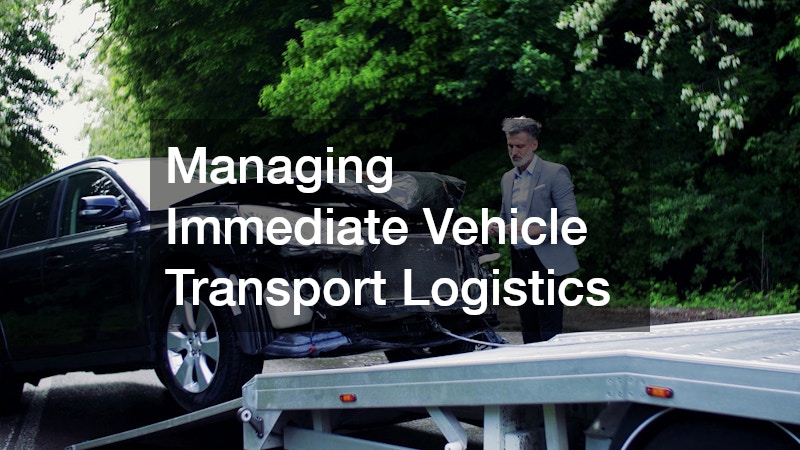
When your car has suffered major structural damage, you cannot simply drive it away from the scene. The frame might be bent, fluids could be leaking onto the hot engine, or the tires might be jammed against the body panels. Attempting to drive a severely damaged vehicle is incredibly dangerous and can ruin the engine completely. You will need to arrange for a professional transporter to move your car to a secure holding yard or a repair shop.
Unfortunately, the towing industry has a few predatory operators who look for accidents on busy roads. These uninvited tow trucks frequently show up at crash scenes without being called, trying to pressure stressed drivers into signing confusing authorization forms with hidden storage fees. To avoid getting scammed, always take control of the logistics yourself. Look up a highly rated towing company in your area and call their dispatch office directly to request a truck.
If your accident happens on a major highway or disrupts a busy intersection, local police officers might not let you wait for your chosen provider to arrive. For severe blockages, the city will often mandate immediate emergency towing to clear the lanes and restore the safe flow of traffic. If the police call a city-contracted truck to clear your vehicle, ask the officer exactly where your car is being taken and request a physical copy of the tow receipt before the driver pulls away.
Consider these helpful guidelines when dealing with vehicle transport logistics after a crash:
- Never sign a towing permission slip that does not clearly list the hookup fee and the daily storage rate in writing.
- Remove all of your personal belongings, such as sunglasses, garage door openers, and insurance papers, before the car is towed.
- Confirm the exact physical address of the storage yard so you know where to send an insurance appraiser to inspect the damage.
Sourcing Reliable Post-Accident Vehicle Restoration
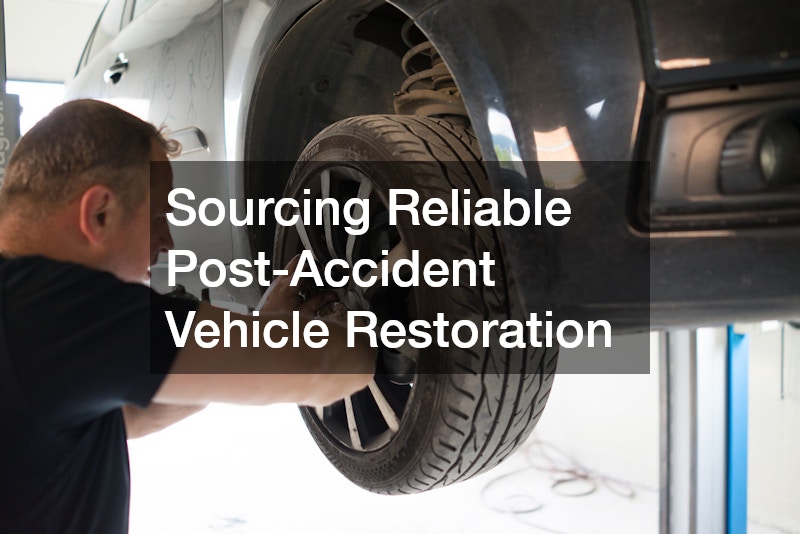
Once your vehicle has been safely transported off the active roadway and placed into a secure storage yard, your next step is transitioning it to a professional workshop. Repairing a modern car after a collision requires a high level of technical skill, specialized structural tools, and precise calibration equipment to reset advanced safety sensors, airbags, and anti-lock braking systems correctly.
Your insurance provider will likely give you a list of preferred repair shops that they partner with directly. While these preferred shops are convenient, you are never legally required to use them. Take the time to research an independent auto repair company that holds advanced certifications from the vehicle manufacturers. A certified workshop will prioritize using brand-new, factory-original parts rather than cheap, aftermarket structural components that might not absorb the force of a future crash correctly.
When you select a workshop, request a detailed, line-by-line written estimate before they begin any physical teardown or structural work on your frame. A professional team will evaluate your car repair services by checking the alignment of your wheels, inspecting the engine cooling system for hidden leaks, and scanning your car’s computer for hidden fault codes. Reviewing this estimate carefully ensures that every single piece of damage caused by the accident is documented and paid for by the insurance company.
To ensure your vehicle restoration process goes smoothly, keep these operational details in mind:
- Verify that the workshop provides a written warranty on both their structural repairs and their paint work.
- Ask the shop manager to save all of your damaged parts so you can inspect them if a dispute arises with the insurance company.
- Stay in regular contact with the service advisor to receive weekly timeline updates regarding part deliveries and assembly progress.
Researching Neighborhood Mechanical Care Options
While major structural body work is essential, a collision can also cause subtle mechanical problems that are not visible from the outside. The sudden force of an impact can damage your transmission mounts, crack your radiator plastic, or pull your steering linkages out of true alignment. Finding a convenient, high-quality mechanical workshop near your home or office is vital to ensure your car drives straight and runs reliably after it leaves the body shop.
Choosing a workshop close to your neighborhood makes the logistical process much easier to manage. It simplifies dropping off loaner cars, hitching rides with coworkers, or stopping by in person to review the mechanical damage with the technician. Supporting local auto repairs means you are working with a business that relies heavily on neighborhood reviews and word-of-mouth recommendations, which often motivates them to provide more personalized customer service and transparent pricing.
Remember that you are the consumer, and you have complete control over who touches your vehicle. If you feel like a specific shop is rushing you or giving you confusing explanations about your engine damage, you can always tow your car to a different shop for a second opinion. State consumer protection laws firmly protect your right to select any certified auto repair company you trust, meaning an insurance adjuster cannot force you into using a low-quality workshop just to save their company a few dollars.
Navigating Post-Crash Insurance Regulations and Legal Rights
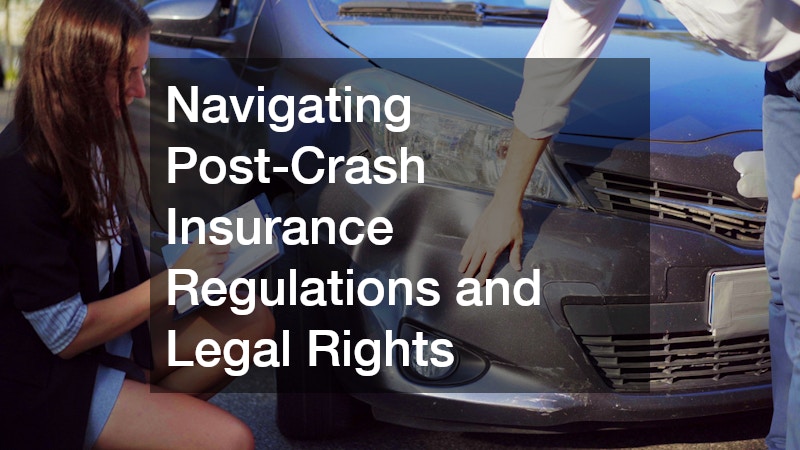
The final phase of recovering from a roadside accident involves managing the complex legal and financial paperwork. Every state has its own specific set of insurance regulations and traffic statutes, commonly known as motor vehicle accident law. These complex rules dictate which insurance company is responsible for paying your immediate medical bills, replacing your ruined personal property, and covering your lost income if you have to miss work to heal.
Dealing with insurance adjusters can be an exhausting process. Their primary job is to close claims as quickly and cheaply as possible, and they may try to convince you to accept a small settlement before you even know if you have long-term neck or back injuries. If you are facing severe physical pain, mounting medical bills, or an uncooperative insurance company that refuses to pay for your car damage, you should protect yourself by contacting an experienced car accident lawyer.
A dedicated legal professional can step in to handle all the high-pressure phone calls, gather official police reports, interview scene witnesses, and negotiate a fair settlement on your behalf. Having a legal advocate fight for your financial recovery allows you to focus all of your energy on your health and your family, giving you total peace of mind during a very stressful chapter of your life.
This support not only alleviates the burden of handling complex legal matters but also ensures that your rights are protected every step of the way. With an experienced attorney by your side, you can be confident that you are making informed decisions that will lead to the best possible outcome for your situation.
Conclusion
Surviving a roadside accident is a chaotic experience, but preparation is the ultimate shield against panic. By focusing on immediate physical safety, collecting ironclad evidence, taking control of local towing services, and choosing certified repair professionals, you can protect both your physical health and your property value. You do not have to let the immediate stress of a crash overwhelm your life.
Take a proactive step to protect yourself before your next trip by printing a physical copy of this checklist and slipping it directly into your glove compartment alongside your insurance card. Knowing that you have a clear, step-by-step strategy ready to go will give you total confidence every time you turn the key and hit the open road.