

Buying a home is often described as the American Dream, but the immediate reality of ownership can sometimes feel more like a logistical puzzle. The period between closing on a house and actually feeling “settled” is critical. While the excitement of paint swatches, furniture placement, and neighborhood exploration takes center stage, the unglamorous backend of homeownership requires your immediate attention.
The concept of a “turnkey” home is often a misnomer. Even if a house looks pristine on the surface and passes its general inspection, it has a history you were not part of. Systems have wear and tear, filters are clogged, and hidden corners harbor dust and allergens from the previous occupants. Relying on the maintenance schedule—or lack thereof—of the former owners is a gamble that can lead to expensive repairs or health issues down the road.
This guide is not about renovation or decoration; it is about establishing a functional, safe, and clean baseline for your life in this new space. By prioritizing specific professional services in the first few weeks of ownership, you reset the clock on your home’s systems. You gain the peace of mind that comes from knowing the air you breathe is clean, the water is flowing where it should, and the structural integrity of your property is protected. Here is a comprehensive look at the critical appointments you need to make before you get too comfortable.
I. Establish a Baseline of Cleanliness and Respiratory Health
The best time to address the hygiene of your home is when it is completely empty. Once your furniture, rugs, and boxes are moved in, deep cleaning becomes infinitely more difficult. While you may be tempted to save money by scrubbing the house yourself, the transition period warrants a level of sanitation that goes beyond a bucket and a mop.
Deep Clean Before Unpacking
Most real estate contracts only require a home to be “broom clean” before the keys are handed over. This vague standard usually means the floors have been swept and obvious trash removed. It rarely accounts for the grime accumulated on top of kitchen cabinets, the dust coating the baseboards, or the residue left inside appliances. If the previous owners had pets, smokers, or merely different cleaning standards than yours, those remnants are now your problem.
Bringing in professional residential cleaning services before you move a single box provides a blank slate. Professionals have the tools and checklists to tackle areas that homeowners frequently overlook. They can sanitize the interior of the dishwasher and oven, scrub grout lines in the bathrooms, and wash the inside of windows. This is particularly important for carpets, which act as sponges for dander, skin cells, and soil. A professional steam clean can extract years of debris that a standard vacuum simply cannot reach. Starting with a medically clean environment ensures that you aren’t living with someone else’s dirt.
Purify the Ventilation System
While you are scrubbing surfaces, you must also consider the air you cannot see. The lungs of your home—your heating and cooling vents—are often the most neglected part of a property. Over years of operation, ductwork collects a significant amount of dust, pollen, construction debris from past renovations, and even rodent droppings. When you turn on your system, these particles are circulated throughout the house and into your lungs.
Home inspectors generally do not look inside the ductwork, meaning you have no way of knowing what condition they are in until you investigate. If the previous owners were lax about changing air filters, the buildup could be substantial. This restricts airflow, forcing your system to work harder and driving up energy costs. Scheduling an appointment with air duct cleaners should be a top priority, especially if you have family members with allergies or asthma. These professionals use high-powered vacuums and rotary brushes to scour the interior of the ducts, removing contaminants that have settled there for years. This service not only improves indoor air quality but also helps your mechanical systems run more efficiently.
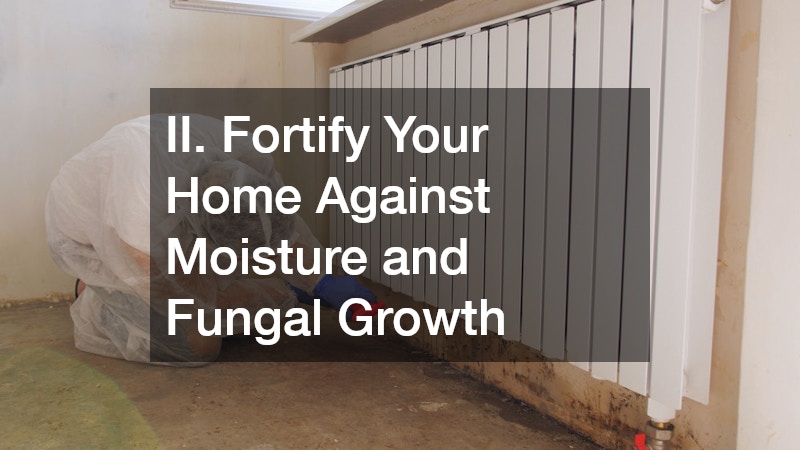
II. Fortify Your Home Against Moisture and Fungal Growth
Water is the single most destructive force to a residential property. Unchecked moisture can compromise your foundation, rot your framing, and create an environment for hazardous biological growth. Because water damage is often progressive and silent, new homeowners must be proactive in verifying that the home is sealed and dry.
Inspect and Seal the Foundation
Your basement or crawl space is the foundation of your home’s structural integrity, yet it is often the most vulnerable area regarding moisture intrusion. During a standard home inspection, the inspector looks for visual evidence of leaks, but if the inspection occurred during a dry spell, active leaks might have been missed. Hydrostatic pressure—the pressure exerted by standing water in the soil against your foundation—can force water through microscopic cracks in the concrete.
It is wise to bring in a specialist in basement waterproofing to assess the property, even if you don’t see standing water. These experts can identify efflorescence (white, chalky powder on walls indicating moisture migration), verify the grading of the landscape to ensure water flows away from the house, and check the functionality of existing sump pumps. If your new home has a finished basement, this step is non-negotiable before you install expensive flooring or electronics. Prevention methods, such as installing a vapor barrier or sealing cracks, are far less expensive than replacing water-damaged drywall and furniture later.
Identify and Neutralize Hidden Spores
Where there is moisture, there is often biological growth. It is not uncommon for homes, especially those that have sat vacant for a period during the selling process, to develop humidity issues. Musty odors are a telltale sign, but often these smells are masked by staging tricks like scented candles or air fresheners during open houses. Once you move in and the artificial scents fade, you might notice a damp, earthy smell in certain rooms, basements, or attics.
If you spot discoloration on walls, ceilings, or around window frames, do not assume it is just old dirt. It could be fungal growth. If you have any suspicion, hiring a mold remediation service is critical. These professionals can perform air quality testing to detect spore counts that aren’t visible to the naked eye. If they find a problem, they have the containment equipment necessary to remove the affected materials without spreading spores to the rest of the house. Ignoring a potential fungal issue can lead to significant respiratory problems for your family and can destroy the organic materials that make up your home’s structure.

III. Optimize Your Climate Control Systems
Your heating and cooling equipment is likely the most expensive machinery in your home. It determines your comfort level and a large portion of your monthly utility budget. Understanding the health of this system immediately upon moving in prevents you from being left in the freezing cold or sweltering heat during your first season in the new house.
Audit the System’s Health and Efficiency
A general home inspection confirms whether the furnace or air conditioner turns on and produces a temperature change. It does not, however, diagnose the long-term health of the unit, its efficiency, or impending failures. You need a dedicated specialist to perform a comprehensive audit. This involves checking refrigerant levels, inspecting the heat exchanger for cracks (a safety hazard), testing the capacitor, and ensuring the thermostat is calibrated correctly.
Reach out to reputable heating and air conditioning companies to perform a “tune-up” or system audit. This is about more than just comfort; it is about safety and economics. A system that is low on refrigerant or has dirty coils will consume significantly more electricity to cool your home. Furthermore, many manufacturers require proof of professional maintenance to keep the warranty valid. If the previous owner cannot provide these records, your first service visit establishes a new paper trail that protects your financial interest in the equipment.
Secure a Maintenance Contract
Once you have verified that the system is safe, consider the long-term plan. Many homeowners wait until their system breaks down to call a professional. By then, they are often desperate, facing high emergency call-out fees, and waiting in line behind dozens of other customers during peak season. Reactive maintenance is always more expensive than proactive maintenance.
The smartest move a new homeowner can make is to sign a service agreement with a local HVAC company. These contracts typically include two visits per year—one in the spring for the AC and one in the fall for the furnace. In addition to keeping the system running smoothly, contract holders usually get priority scheduling and discounts on parts. Establishing this relationship early means that when an emergency does happen, you are already a preferred client, not a stranger calling at 2:00 AM. This continuity of care can extend the lifespan of your unit by years.

IV. Revitalize Curb Appeal and Exterior Safety
The exterior of your home is the first line of defense against the elements. It is also the face you present to your neighborhood. While landscaping and siding might seem like cosmetic concerns, they have profound implications for the safety and longevity of your property.
Evaluate Tree Health and Liability
Large, mature trees are a beautiful asset to any property, offering shade and privacy. However, they can also be massive liabilities. A dead branch hanging over your roof, driveway, or power lines is a “widow maker” waiting for the first strong storm. Home inspectors are rarely experts in dendrology (the study of trees) and may miss signs of root rot, pest infestation, or structural instability in the trees surrounding your home.
Hiring a certified arborist to inspect the trees on your new property is a crucial safety step. They can identify which trees are healthy, which need cable bracing, and which need to be removed before they fall on your new roof. Additionally, overhanging branches can act as a bridge for squirrels, raccoons, and insects to access your attic. Pruning these back creates a necessary buffer zone. Proper tree care not only prevents property damage but also ensures your landscape continues to appreciate in value.
Refresh Siding and Hardscapes
Over time, the exterior of a home accumulates a layer of dirt, pollen, algae, and oxidation. This buildup makes the house look aged and can actually degrade the materials. Algae and moss on siding can retain moisture, leading to rot, while grime on concrete walkways and driveways can become incredibly slippery when wet, posing a slip-and-fall hazard to you and your guests.
To instantly improve the look of your home and protect its surfaces, schedule an appointment with local pressure washing services. It is important to distinguish between high-pressure washing and soft washing. High pressure is great for concrete and stone, but can strip paint and damage vinyl siding or asphalt shingles. Professionals know the correct pressure and chemical mix to use for each surface. Cleaning the exterior not only boosts curb appeal—making you proud to pull into the driveway—but also reveals the true condition of your siding and hardscaping, allowing you to spot cracks or maintenance needs that were hidden under the dirt.

V. Prevent Plumbing Disasters and Prepare for Emergencies
Plumbing issues are among the most stressful problems a homeowner can face. A sewage backup or a burst pipe can render a home uninhabitable in minutes. While you cannot prevent every possible plumbing mishap, you can take specific steps to ensure your main lines are clear and that you are prepared for the worst-case scenario.
Clear the Arteries of Your Home
The main sewer line connects your home’s drains to the municipal sewer system or septic tank. If this line is clogged, wastewater has nowhere to go but back up into your bathtubs and sinks. Common causes for blockage include tree roots that have grown into the pipes over decades, grease buildup from the previous owner’s cooking habits, or flushed items that should not have been flushed. In older homes with clay or cast-iron pipes, this is a distinct possibility.
Scheduling a preventative drain cleaning service is a smart investment. Request a camera inspection where a technician runs a video line down the pipe to visually inspect its condition. If they find roots or scale buildup, they can hydro-jet the line to scour it clean. This ensures that on your first Thanksgiving or housewarming party, when the plumbing system is under heavy load, you won’t experience a catastrophic backup. Knowing the condition of your pipes allows you to budget for future repairs rather than being blindsided by an emergency.
Know Who to Call When Disaster Strikes
Despite your best efforts, emergencies happen. A washing machine hose can burst, a water heater can fail, or a heavy storm can overwhelm a sump pump. In these moments, speed is everything. Mold can begin to grow within 24 to 48 hours of water exposure. The time you spend frantically searching Google for a restoration company is time that water is soaking into your subfloor and drywall, increasing the cost of repairs exponentially.
As part of your move-in preparation, research and vet a water remediation service before you actually need one. Look for companies with 24/7 availability and strong reviews regarding their response time and ability to work with insurance companies. Save their number in your phone and put it on the fridge. If you ever wake up to a flooded laundry room, you will be able to act instantly. These services have industrial-grade extractors and dehumidifiers that can dry out a home much faster than standard fans, saving your structure and your belongings. Being prepared turns a potential tragedy into a manageable inconvenience.
Conclusion
Taking ownership of a home involves more than signing the deed; it involves taking responsibility for the complex systems that keep the structure standing and comfortable. It is easy to get caught up in the visual aspects of a new house, but the services listed above address the fundamental livability of your investment.
By proactively scheduling these professionals, you are not just maintaining a building; you are curating a lifestyle. You are ensuring that your evenings are warm, your air is fresh, and your weekends aren’t spent battling preventable emergencies. Create a prioritized budget for these items and aim to have them completed within your first month of residency. The cost of these services is a fraction of the cost of the repairs they prevent. Start your journey as a homeowner with a clean slate and the confidence that your home is truly ready for the life you plan to build in it.