Cotton farming has been an important part of agriculture for many years. Today, cotton farming continues to play a big role in the global economy by providing raw material for clothing, textiles, and many everyday products. Whether you are a beginner or someone looking to improve your skills, understanding the basics of cotton farming can help you grow healthier crops and increase your profits.
What Is Cotton Farming?
Cotton farming is the process of growing cotton plants for their soft fibers. These fibers are harvested and used to make fabric and other products. Cotton grows best in warm climates with plenty of sunshine and moderate rainfall.
Why Cotton Is Important
Cotton is one of the most widely used natural fibers in the world. It is used to make clothes, bedding, towels, and even medical supplies. Because of its high demand, cotton farming can be a profitable business for farmers.
Ideal Conditions for Cotton Farming
Growing cotton successfully depends on having the right environment. The better the conditions, the higher the yield and quality.
Climate Requirements
Cotton needs a long, warm growing season. It grows best in temperatures between 70°F and 100°F. Frost can damage cotton plants, so it is important to plant after the last frost.
Soil Quality
Cotton grows well in well-drained soil. Sandy loam soil is often the best choice. The soil should also be rich in nutrients to support plant growth.
Water Needs
Cotton plants need regular watering, especially during the early stages. However, too much water can harm the plants. Proper irrigation is key.
Steps in Cotton Farming
Understanding each step in the process can help you manage your farm more effectively.
Land Preparation
Before planting, the land must be cleared and tilled. This helps improve soil structure and removes weeds.
Planting Seeds
Cotton seeds are usually planted in rows. The spacing between rows allows the plants to grow properly and makes it easier to manage the field.
Crop Care
Once the plants start growing, they need regular care. This includes watering, fertilizing, and controlling pests.
Weed Control
Weeds compete with cotton plants for nutrients and water. Removing weeds helps the cotton grow stronger.
Pest Management
Insects can damage cotton crops. Using safe pest control methods helps protect your plants.
Harvesting
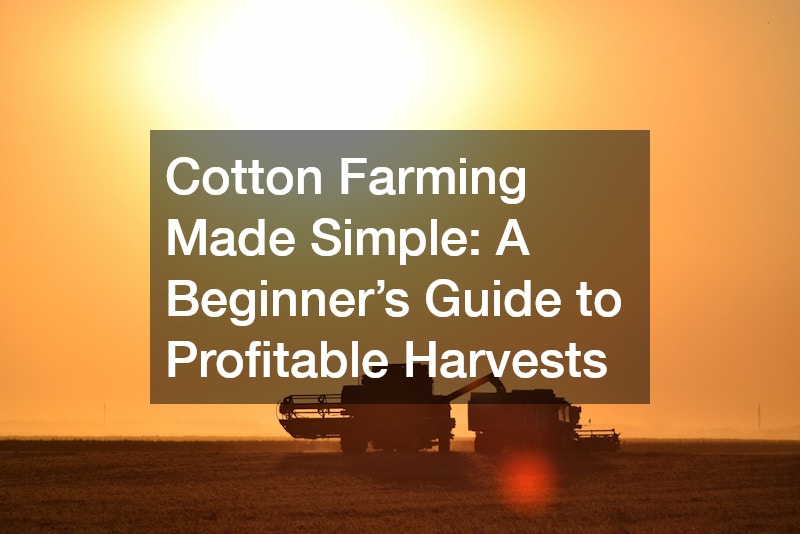
Cotton is ready to harvest when the bolls open and reveal the fluffy white fiber. Harvesting can be done by hand or with machines, depending on the size of the farm.
Types of Cotton
There are different types of cotton grown around the world. Each type has its own features and uses.
Upland Cotton
This is the most common type. It is used in many everyday products and is easier to grow.
Pima Cotton
Pima cotton has longer fibers and is softer. It is often used in high-quality fabrics.
Egyptian Cotton
Known for its luxury feel, Egyptian cotton is used in premium bedding and clothing.
Tools and Equipment Used
Modern cotton farming uses a variety of tools to improve efficiency.
Tractors
Tractors are used for plowing, planting, and maintaining fields.
Irrigation Systems
These systems help provide the right amount of water to crops.
Harvesting Machines
Machines like cotton pickers make harvesting faster and easier, especially on large farms.
Challenges in Cotton Farming
Like any type of farming, cotton farming comes with challenges.
Weather Changes
Unexpected weather can affect crop growth and yield. Too much rain or drought can damage plants.
Pests and Diseases
Cotton crops are vulnerable to pests and diseases. Farmers need to monitor their fields regularly.
Market Prices
The price of cotton can change based on global demand. This can affect profits.
Tips for Successful Cotton Farming
Following simple tips can help you improve your results.
Use Quality Seeds
Good seeds produce stronger plants and better yields.
Monitor Soil Health
Regular soil testing helps ensure your crops get the nutrients they need.
Stay Updated
Learning about new farming methods and technologies can improve your efficiency.
Plan Ahead
Proper planning helps you manage your time, resources, and costs.
Benefits of Cotton Farming
Cotton farming offers several advantages for farmers.
Steady Demand
Cotton is always in demand, making it a reliable crop.
Multiple Uses
Cotton is used in many industries, increasing its value.
Economic Growth
Cotton farming supports jobs and contributes to the economy.
Final Thoughts
Cotton farming is both a traditional and modern agricultural practice that continues to support industries around the world. By understanding the right conditions, using proper techniques, and staying informed, farmers can achieve better results and higher profits. Whether you are just starting out or looking to improve your methods, focusing on smart strategies will help you succeed in cotton farming. In the end, successful cotton farming comes down to knowledge, planning, and consistent care for your crops.